

Affiliate disclosure: This article contains paid links. As an Amazon Associate I earn from qualifying purchases.
Originally published November 30, 2017
Updated by The Homestead Guru Editor on November 8, 2026.
We corrected the confusion between citric acid and vitamin C and removed blanket GMO, benzene and toxicity claims. Research and personal reports are separated below so readers can make informed choices.
Citric acid occurs in citrus fruit, but the ingredient used in packaged foods is often produced through fermentation. If you want to know how a particular product is made, a label alone may not answer every question. It is reasonable to ask the manufacturer about the source and choose foods that fit your preferences.
What citric acid is, and is not
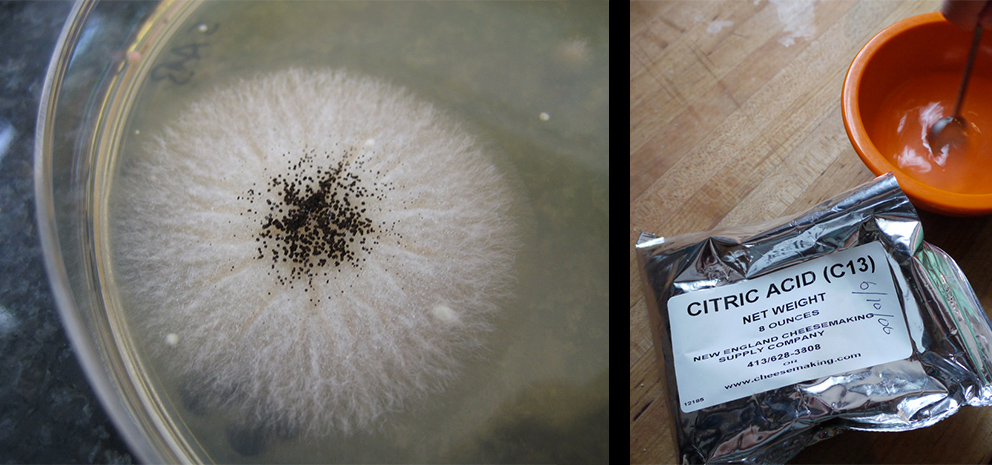
Citric acid and ascorbic acid, also called vitamin C, are different substances. The FDA identity standard for citric acid describes sources that include fruit recovery and fermentation. One manufacturing route uses Aspergillus niger; that does not mean the purified ingredient is a serving of mold.
A fermentation organism, a feedstock and the finished ingredient are separate questions. The words “citric acid” do not prove that every product uses a genetically modified organism or corn feedstock. Ask for product-specific information rather than assuming the same supply chain everywhere.
The benzene claim needs a correction
The FDA’s beverage guidance discusses benzene formation with benzoate preservatives and ascorbic or erythorbic acid under certain conditions. That is not evidence that citric acid is vitamin C or that all foods containing it form benzene.
Research and personal experiences
A 2018 paper described four case reports of symptoms attributed to foods containing manufactured citric acid. These uncontrolled accounts raise questions; they cannot establish that citric acid caused the symptoms, how often reactions occur or that all sources behave alike.
People also share experiences outside studies. In a Reddit discussion about electrolyte drinks, one person reported improvement after switching products. That is a personal account, not a controlled comparison: other ingredients changed too. Such reports can suggest questions to explore without confirming a cause.
Leave room for individual choice
You do not need a universal danger claim to decide an ingredient does not suit you. Keep a record of products and symptoms, ask suppliers clear questions and seek qualified help for persistent or concerning reactions. Avoid treating a comment thread as an allergy diagnosis.
Original general-reading link

View the Mayo Clinic integrative-health book linked in the original story (paid link). It is a general-reading resource, not evidence for the old headline’s claims.