

Originally published March 5, 2016 · Updated by The Homestead Guru Editor on November 8, 2026.
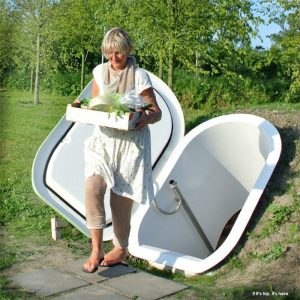
The Groundfridge, designed by Floris Schoonderbeek, adapts the root-cellar idea into a manufactured underground storage unit. Its soil covering and ventilation help moderate temperature, while its performance depends on the site.
Check the temperature at your site
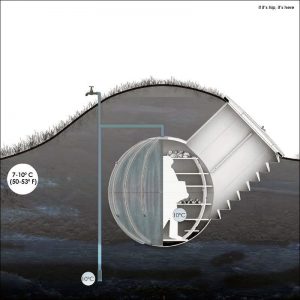
The manufacturer’s current FAQ says its own units in the Netherlands typically range from 8°C to 15°C, about 46°F to 59°F. Soil, groundwater, sunshine, shade and season affect the result. That is a local example, not a universal temperature guarantee.
Match the food to the storage conditions
Cool-cellar storage can suit some produce and pantry goods. Each crop has its own temperature and humidity needs, so use thermometers and check the requirements for what you store.
Refrigerated perishables need colder storage. The FDA recommends 40°F or below for a refrigerator. A cellar running at 46°F to 59°F does not meet that standard for milk, meat or leftovers that require refrigeration.

Review installation before you order
Use the manufacturer’s current drawings and instructions to assess access, groundwater, drainage, ventilation and installation. Check the power requirements of the specific ventilation and lighting setup rather than assuming every component runs without electricity.

The archive images show the design from this article’s original product coverage. Consult the Groundfridge manufacturer for current specifications and availability.