

Originally published May 3, 2020 · Updated by the editor November 11, 2026
This article contains paid links. As an Amazon Associate I earn from qualifying purchases.
Chicken math can turn a few hens into a flock and a modest egg basket into a surplus. Freezing some of that abundance helps bridge the weeks when laying slows. You can freeze eggs successfully, but remove the shells and prepare the yolks and whites before they go into the freezer.
Freeze whole eggs as a mixed portion
Start with fresh, clean, uncracked eggs. Break each into a separate clean dish so you can remove shell pieces and inspect it before adding it to the batch. Wash hands and equipment after handling raw egg.
- Gently beat the whites and yolks together until blended. Avoid whipping in lots of air.
- Measure the mixture into clean freezer containers or suitable food-grade trays. Record how many eggs went into the batch and how many portions it made.
- Leave expansion space in containers, cover, and freeze promptly at 0°F (−18°C) or below.
- Once tray portions are solid, transfer them promptly to a freezer bag or container. Label with the date, quantity, and any added salt or sugar.
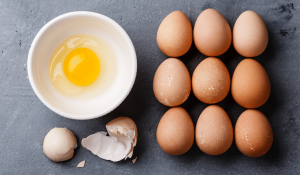
The egg-storage guidance from FDA recommends beating whole eggs before freezing, keeping shells out of the freezer, and using frozen eggs within one year. A covered tray is useful for portioning; it is not the final long-term packaging.
Store yolks and whites separately when useful
Whites can be frozen on their own. Yolks can thicken or gel in the freezer, so they need extra preparation if you want a usable texture later.
Illinois Extension gives this option for each ¼ cup of yolks, about four large yolks: gently stir in either ⅛ teaspoon salt for savory dishes or 1½ teaspoons sugar or corn syrup for sweet dishes. Label the addition so you can allow for it in the eventual recipe.
The National Center for Home Food Preservation also provides whole-egg, yolk, and white freezing methods, including volume equivalents and container headspace. Use one complete method and its measurements rather than mixing instructions.
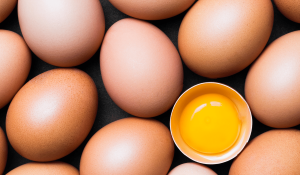
Thaw in the refrigerator and cook thoroughly
Thaw only the amount you need in a covered container in the refrigerator. Do not thaw raw eggs on the counter. Use the thawed portion promptly in a fully cooked dish, such as scrambled eggs, a frittata, or baking.
Freezing does not make raw eggs sterile, and texture can change. A blended frozen portion will not become a conventional sunny-side-up egg or a hard-boiled egg in its shell. For recipes that depend on whipped whites, test a small batch before relying on it for an important bake.
For practical meal ideas, explore our egg-recipe collection. If you are planning a flock, Storey’s Guide to Raising Chickens (paid link) accompanies the guide below.