

Originally published June 17, 2016 · Updated by The Homestead Guru Editor on November 12, 2026.
Affiliate disclosure: As an Amazon Associate I earn from qualifying purchases.
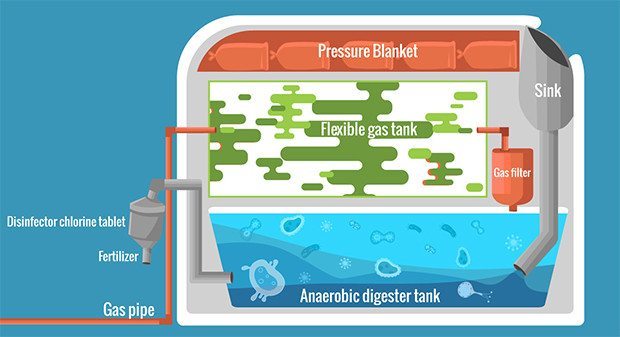
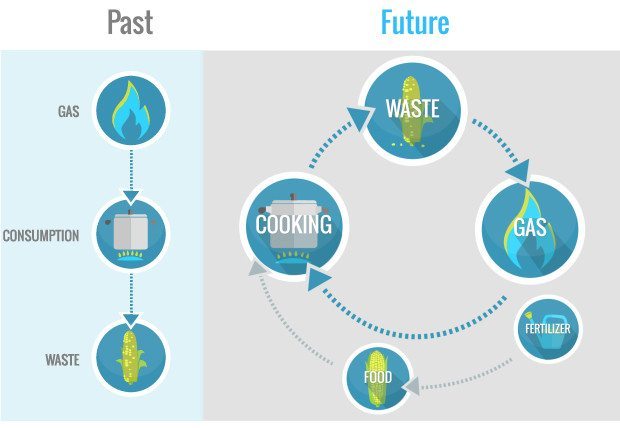
Food scraps can be part of an energy cycle as well as a compost pile. HomeBiogas makes household biodigesters that use microorganisms to break down suitable organic inputs and collect biogas for an appropriate cooking system.
Open the photo journal

Match the system to the conditions
The original story described an early crowdfunding campaign. Its sub-$1,000 offer, $1,500 retail forecast and three-year payback claim are not current prices or verified savings.
Feedstocks, water needs, gas equipment and operating temperatures depend on the exact model. The maker’s HBG 7.0 owner’s manual explains that cold weather can reduce gas production and sets specific feeding limits. Do not assume the same output in every climate.
Check inputs and outputs
Use only materials the model’s instructions permit. “Pet litter” is not a universal approved input. Follow the manufacturer’s instructions for handling and using the liquid output; it should not simply be assumed sterile or interchangeable with any fertiliser.
Biogas equipment needs the correct siting, assembly, ventilation and gas-safety provisions. Ask the maker and a qualified installer about the exact model and applicable requirements before committing. The manufacturer’s technology page is a starting point, not an independent review.
More to explore: Biogas search results (paid link). Check current product details, suitability and availability before buying.