

Originally published May 21, 2016 · Updated by The Homestead Guru Editor on November 12, 2026.
A battery that lasts for years still needs charging. This 2016 feature introduced Aquion’s saltwater-based storage technology, but its old headline could be read as promising ten years of power from one charge. That is not how energy storage works.
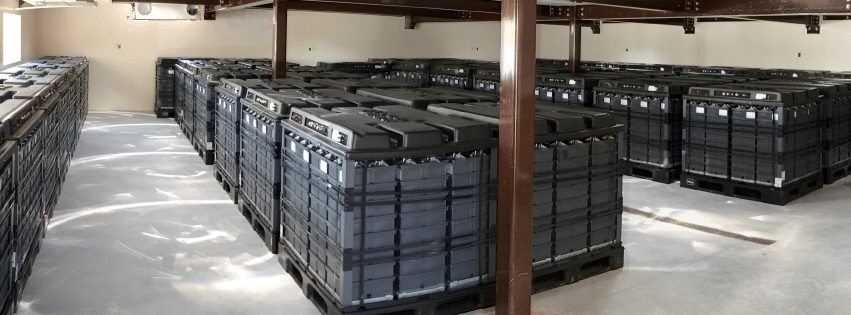
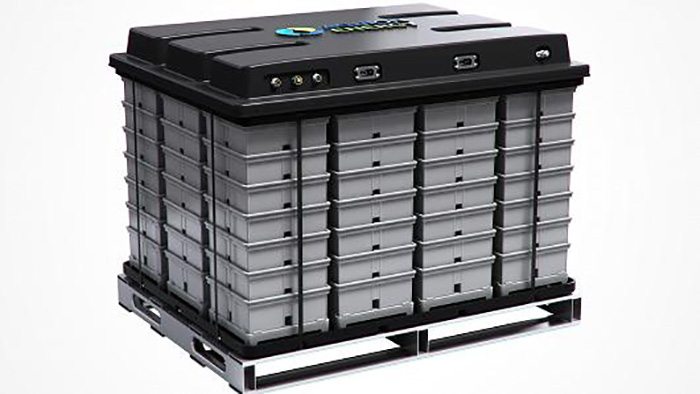
Separate lifespan, capacity and power
Service life describes how long a battery may remain useful under specified conditions. Cycle life describes repeated charging and discharging. Neither is the number of years a home can run without an energy source.
The Department of Energy’s storage guide distinguishes energy capacity from power and explains that storage has losses. A system cannot preserve every unit of solar energy without loss.
For a useful runtime estimate, establish usable kilowatt-hours, the loads drawing power and conversion losses. Also check the permitted discharge limits, temperature range, recharge source and the actual manufacturer documentation for the specific equipment.
Treat the product story as historical
The old price range, dealer count and certification link do not establish present availability or certification. We have not verified a current Aquion product offer or warranty through this audit.
Claims such as zero maintenance, no possible leaks or corrosion, and operation through almost any storm were too broad. Choose equipment and installation methods based on current specifications and qualified system design, rather than treating one battery chemistry as free of all risks.
Build a realistic energy plan
List essential loads first, then consider generation, storage, maintenance and backup. A smaller, well-understood system can be more useful than a large promise without a load budget.