
Originally published February 13, 2016 · Updated by The Homestead Guru Editor on November 12, 2026.
A kitchen scrap can become a small windowsill experiment. Some vegetables produce new leaves from a healthy base; others need seed, a clove or a slip. The results are not an endless food supply.
Use clean containers, refresh water regularly and discard mouldy or slimy scraps. Water-only regrowth is a starting point, not a substitute for the light, nutrients and space a growing plant needs.
1. Green onions
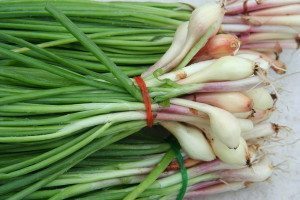
Keep the rooted white base in shallow water and watch for new greens. Change the water and move into suitable growing medium for longer growth.
2. Garlic
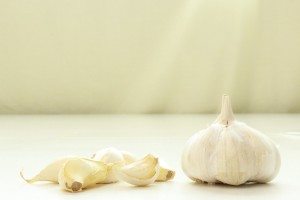
A sprouted clove can produce greens. Planting a clove to produce a new bulb is a longer growing project, with timing and climate requirements.
3. Romaine lettuce
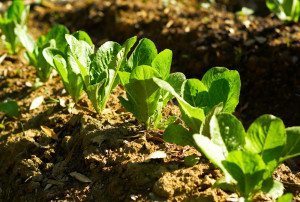
A sound base may sprout a little new leaf growth. It will not reliably turn into an endless succession of full supermarket-sized heads.
4. Ginger

Start with a firm rhizome with visible buds and grow it in suitable potting mix. This is a longer, warm-season container project, rather than a quick jar harvest.
5. Celery
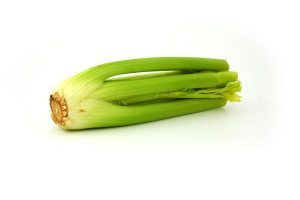
Place the sound base in shallow water to observe new leaves, then consider transplanting it. Keep it clean and discard it if it rots.
6. Cilantro
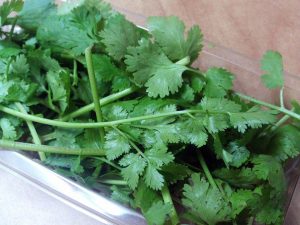
Start cilantro from seed for a more reliable crop. A bunch of cut supermarket stems in water is not a dependable way to regrow a plant.
7. Leeks
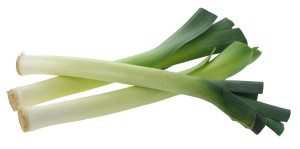
A rooted base can produce new green growth. Keep the root end moist without submerging the whole piece.
8. Onions
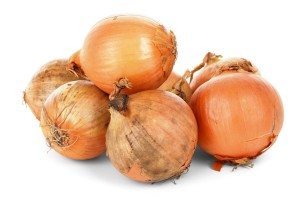
Keep the basal plate at the root end, rather than planting only the cut top. Results depend on the condition of the base and the growing season.
9. Bok choy
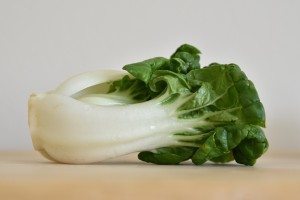
A healthy base can sprout leaves in shallow water. Treat this as an experiment and transplant if you want to continue growing it.
10. Sweet potatoes
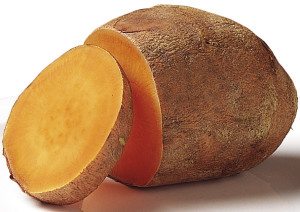
Sweet potatoes are commonly started from slips grown from a healthy tuber. Producing new roots for harvest needs warm conditions, enough growing space and time.
See Illinois Extension’s scrap-growing activity and its cilantro growing guide for more.